San Jose, CA · Garage Door Service
San Jose homes built 1957-1987 often have original torsion hardware. Here's what decides repair versus replace, and what our mild climate does to old doors.
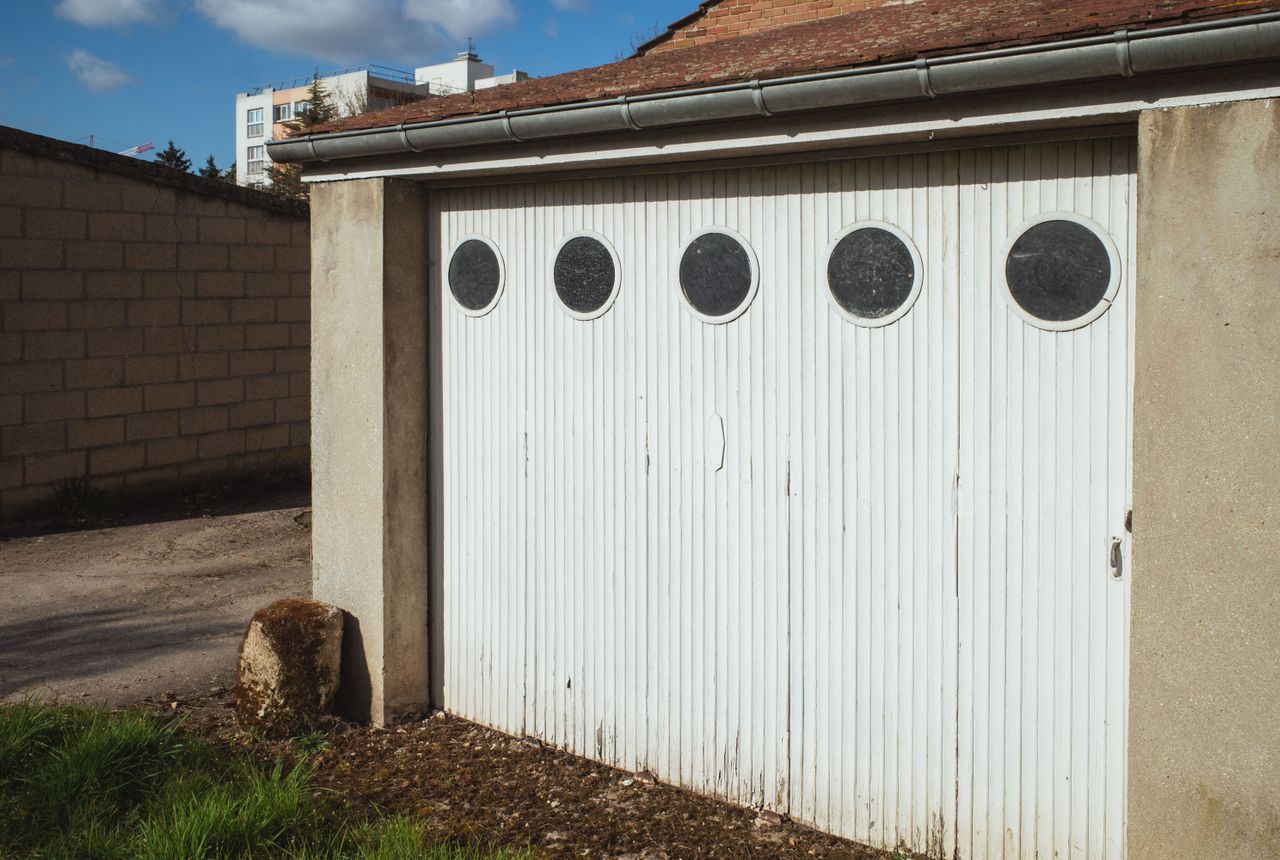
We don't quote a number here because it depends on what's actually wrong, and on a door built decades ago that's rarely one thing. A worn roller job on a door from the 1960s or 70s stock that's common across San Jose's older neighborhoods is a small call. A cracked panel plus a torsion spring sized for hardware nobody stocks anymore starts adding line items fast, and at some point those line items add up to more than the door is worth keeping.
The honest way to think about it: every repair you do on an old door is a bet that the next thing won't break for a while. On a door that's original to a house built near 1972 - which describes a lot of San Jose stock - you're placing that bet on components that have already outlived their design life. We'll tell you straight if we think you're about to lose that bet, because we'd rather you spend money once on a new door than twice on patch jobs.
We don't do the estimate over the phone sight unseen. Springs, tracks, and openers all wear differently depending on how the house settled and how the door's been used, and guessing at that from a description costs you money either way.
San Jose's housing stock runs mostly 1957 to 1987, with the median build year around 1972, and that shows up in our service calls. Doors from that era were built with heavier steel, single-layer panels, and torsion or extension spring setups sized to different codes than what ships today. Across the 16 named areas we see this stock in, from the flatter neighborhoods near East San Jose to hillside pockets toward Almaden, the door itself is often original or close to it, even where the opener's been swapped once or twice.
The most common failure we find isn't the opener at all - it's the spring, because a spring rated for a specific door weight forty-plus years ago is well past its cycle count, and it's the cables and rollers riding alongside it that show the wear first. On a house from that build era, if the door still has its original hardware, we're usually looking at a spring that's due whether it's failed yet or not.
That age also means panel gauge and track width sometimes don't match what a big-box replacement kit assumes. It's worth having someone measure before you order parts online, because a mismatch means a return trip and a second delivery wait.
San Jose sits in a mild temperate band, and that's mostly good news for a garage door - no hard freeze cycles cracking seals, no deep swings that warp panels season to season. But mild doesn't mean nothing happens. Steel hardware from the 1960s and 70s still oxidizes slowly over decades, and on a door that's forty-plus years old, that slow corrosion on springs and cable ends is often the real reason a spring finally lets go, not any one weather event.
The bigger factor in this climate is just time and use, not storm damage. Track alignment drifts a little every year from thermal expansion even in a mild band, and on an older door with a heavier steel panel, that drift puts more strain on rollers that were never built for today's cycle counts anyway. We don't see the sudden weather-driven failures that towns with harder winters deal with - what we see instead is gradual fatigue on original hardware that's simply run its course.
That's actually a point in favor of repair over replacement more often here than in harsher climates: a door that's mechanically sound but old isn't fighting rust-through or warped wood the way it might elsewhere.
Before you decide, look at three things. First, the spring - if it's original to a house from the 1957-1987 build range that describes most of San Jose's older stock, assume it's near end of life even if it hasn't broken yet. Second, the panel material - steel holds up fine here given the mild climate, but if you've got an old wood-composite door from that era, check for soft spots at the bottom corners where moisture collects.
Third, check whether the track width and drum size match anything currently manufactured. This is common on doors from that build era, and it's the detail that turns a simple spring swap into a bigger job because the whole system needs updating together rather than one part at a time.
If two of those three are original and worn, replacement usually costs less over five years than a string of repairs. If it's just the spring and everything else checks out, fixing it is the right call. We're not going to talk you into a new door if the old one has more life left - that's not the job.
Often yes, if the springs and cables are the only issue and the panel and track are still sound. San Jose has a lot of housing from that era, and the doors were built solid. The problem shows up when age has hit multiple parts at once - that's when replacement usually costs less than a series of repairs.
Not really - we're in a mild temperate band, so there's no hard freeze-thaw cycle stressing seals or warping panels. What ages an old door here is mostly time and cycle count, not weather events. Original hardware from the 1960s-70s wears out on its own schedule regardless of climate.
If it's never been serviced and the house is from the 1957-1987 range common across San Jose, assume the springs are original unless you have paperwork saying otherwise. Original torsion hardware from that period is usually a different size than what's sold today, which matters for repair planning.
Call now or request a free quote - same-day service on most repairs, upfront written pricing.